




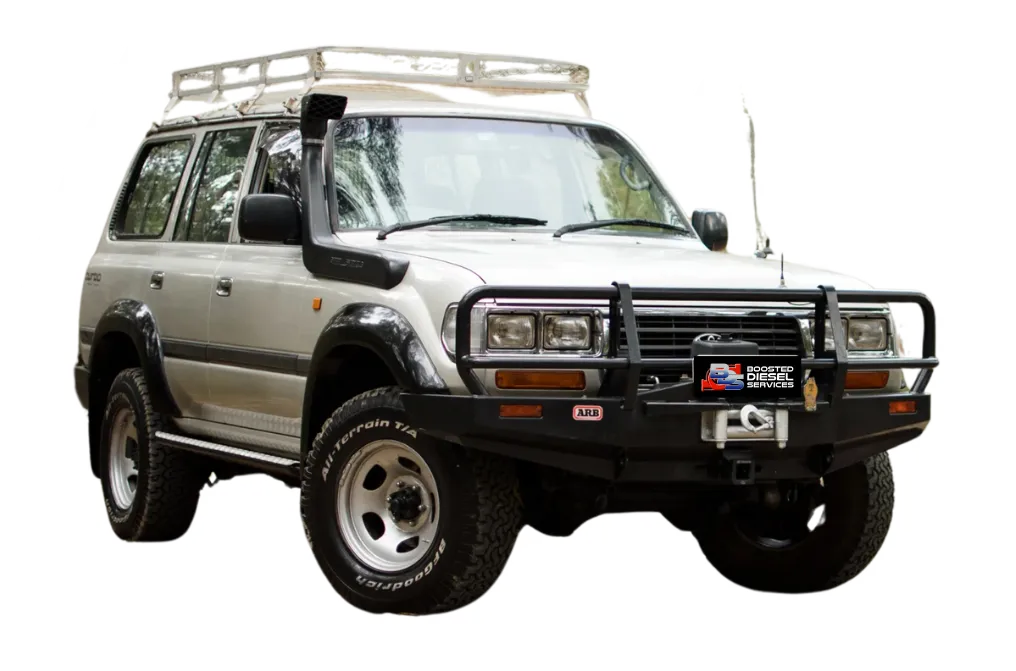
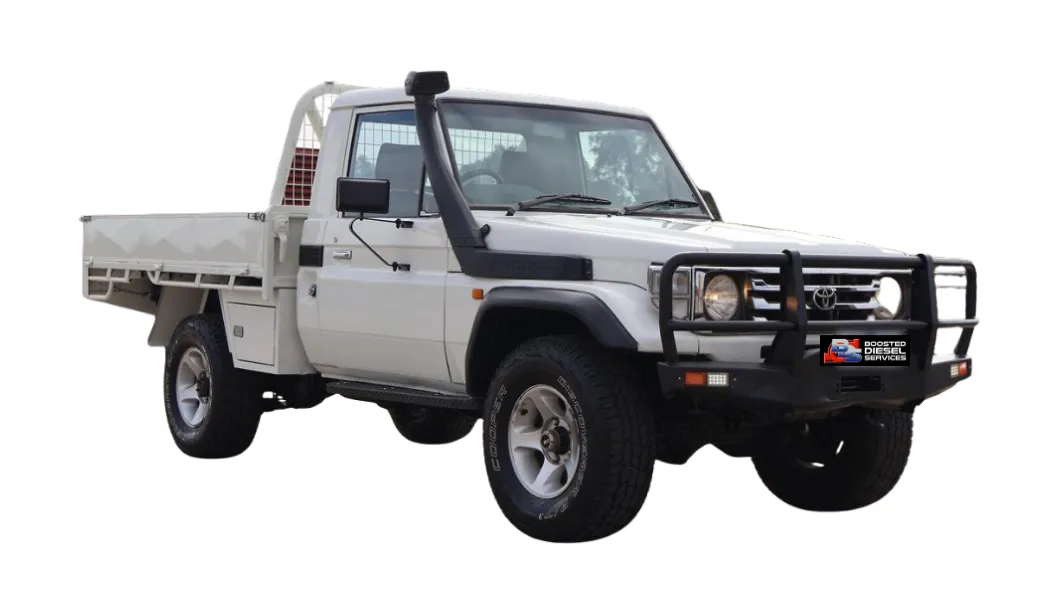
Toyota HZJ/HDJ 70 Series Land Cruiser
Get Your Land Cruiser BOOSTED and Experience it like never before!
The Toyota Land Cruiser 70 Series is a legendary workhorse, celebrated for its rugged simplicity, unmatched durability, and off-road dominance, making it a top choice for adventurers and workers alike.
Explore our wide range of services and let us show you the full towing, off-roading and touring potential your Land Cruiser has to offer.
PERFORMANCE PACKAGES
HD 70 SERIES
PACKAGE 1
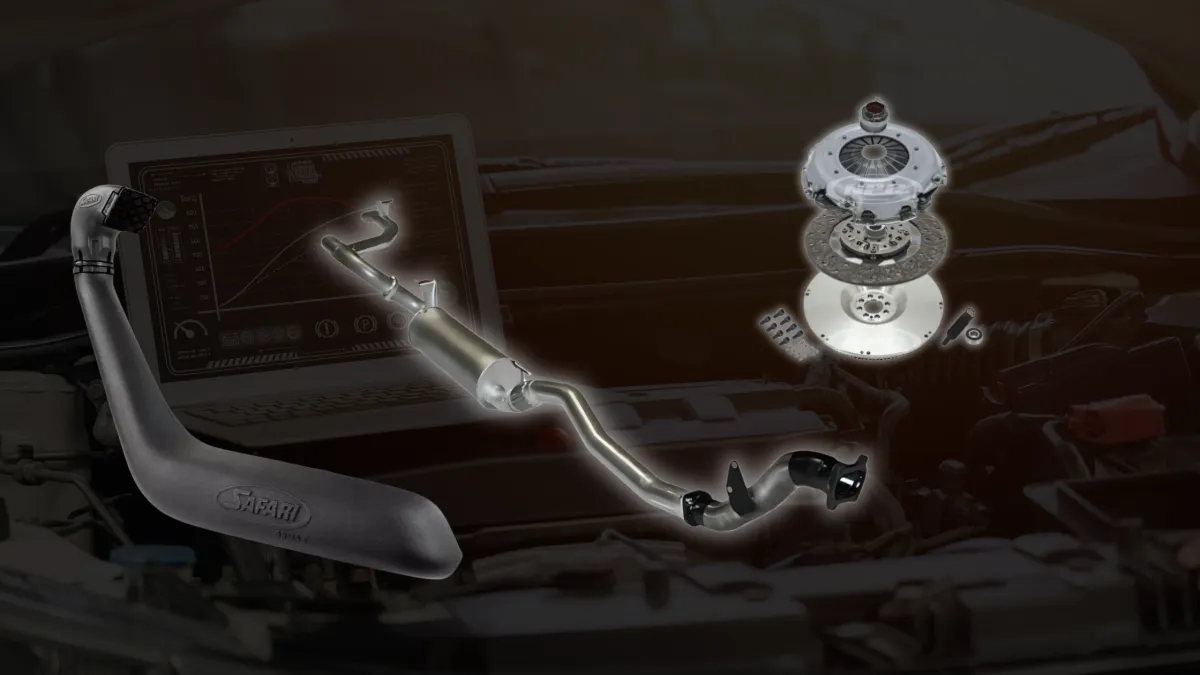
SNORKEL
EXHAUST
CLUTCH
ECU REMAP AND TUNE
PACKAGE 2
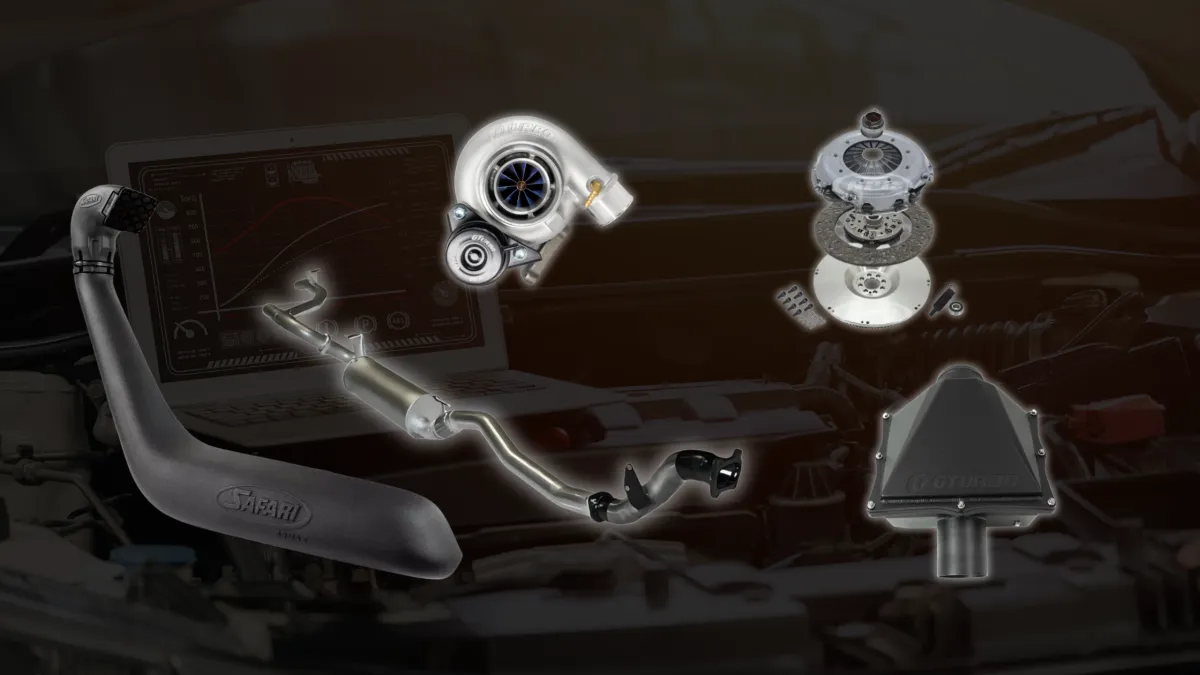
SNORKEL
EXHAUST
TURBO
HIGH FLOW AIRBOX
CLUTCH
ECU REMAP AND TUNE
PACKAGE 3
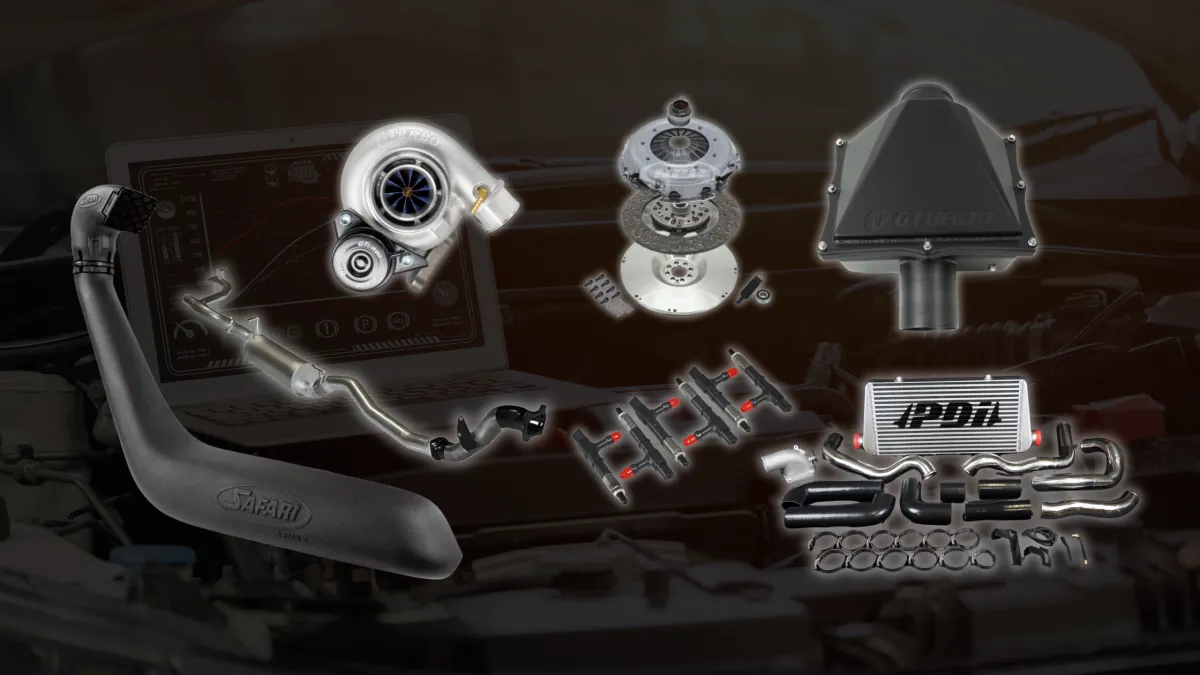
SNORKEL
EXHAUST
TURBO
HIGH FLOW INJECTORS
INTERCOOLER
HIGH FLOW AIRBOX
CLUTCH
ECU REMAP AND TUNE
OUR 70 SERIES UPGRADE OPTIONS
TURBO (HD)
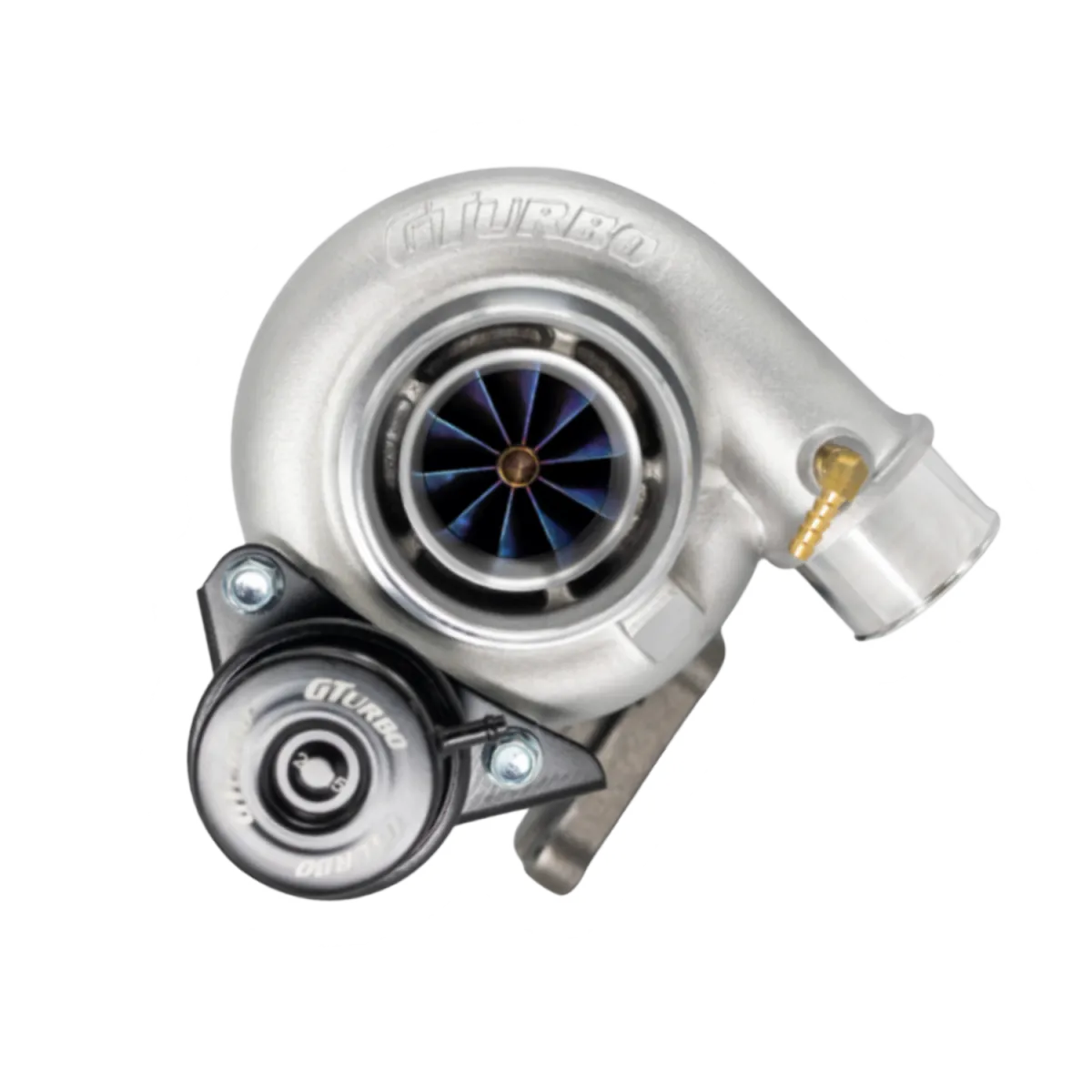
INJECTORS (HD)

EXHAUST (HD)
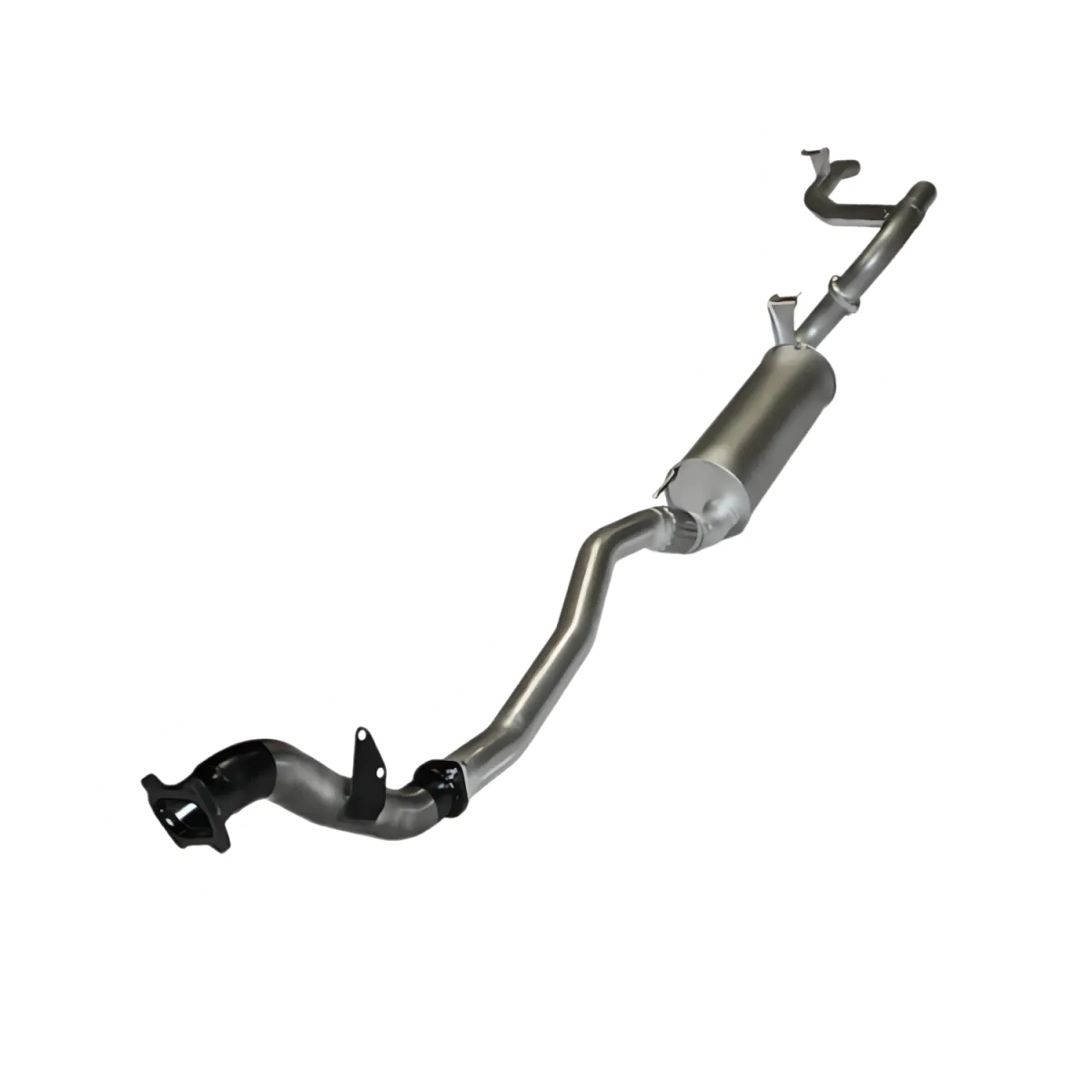
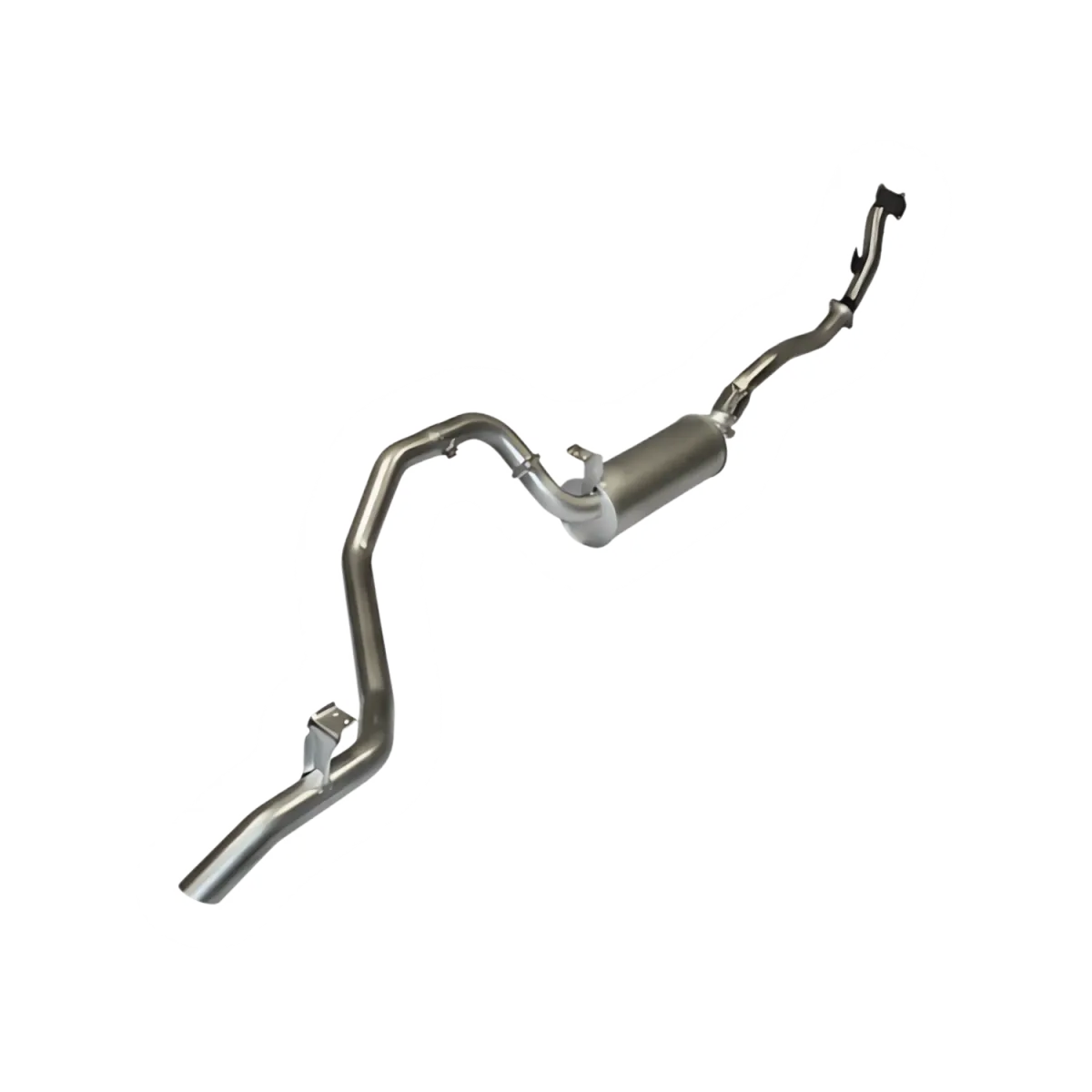
EXHAUST (HZ)
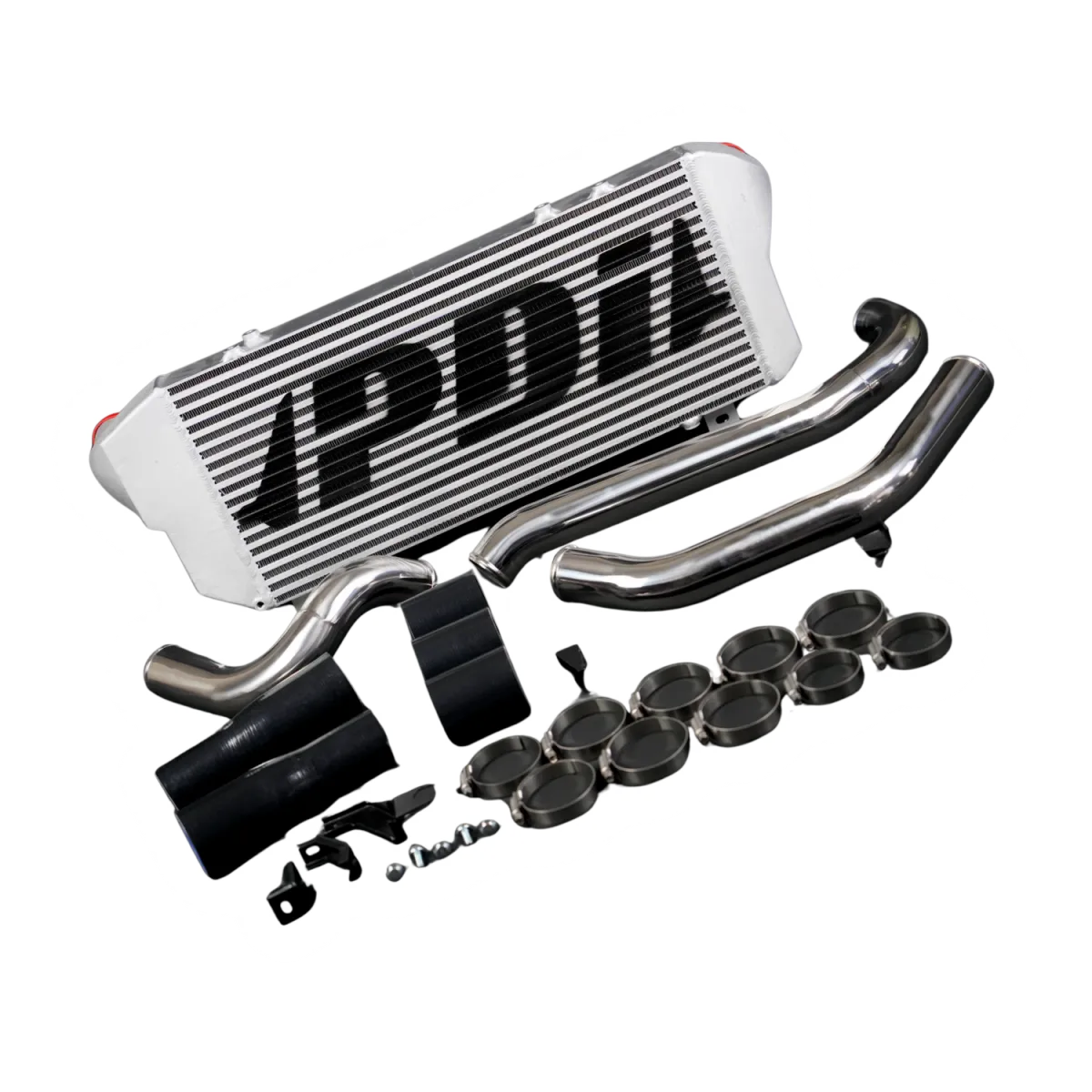
INTERCOOLER
SNORKEL

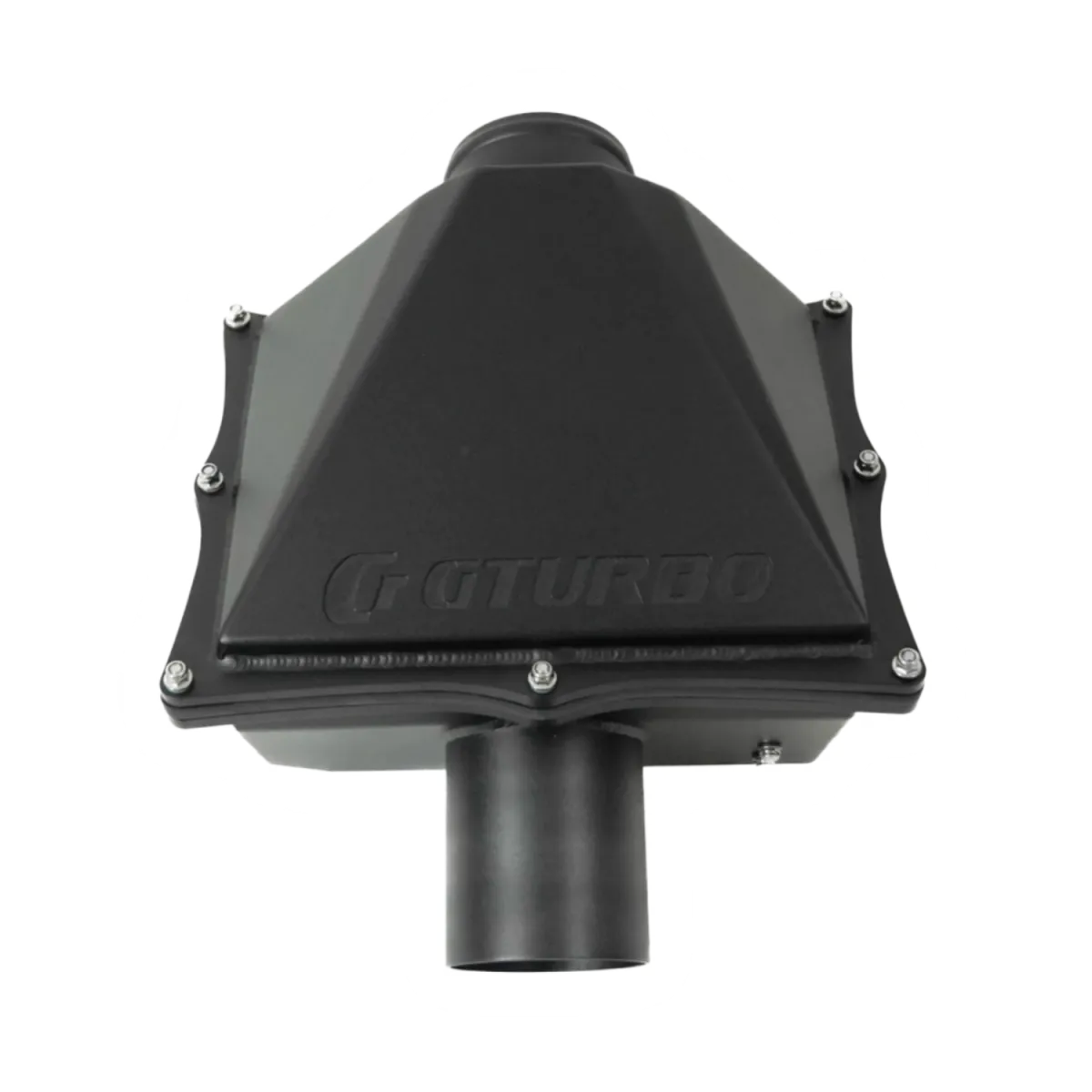
AIRBOX
CLUTCH
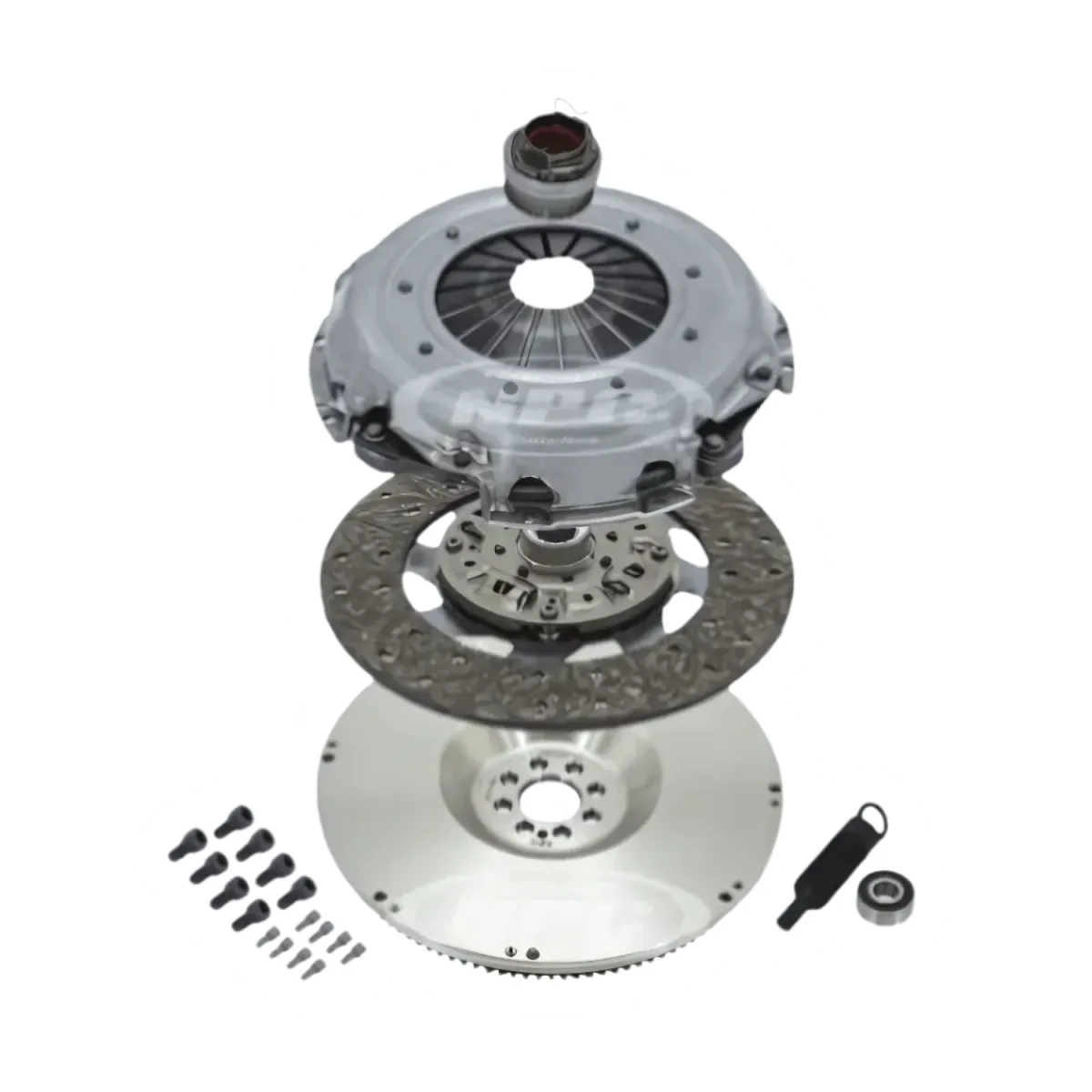
CUSTOM TUNING AVAILABLE FOR HD (1HD-FTE) MODELS
WANT A CUSTOM UPGRADE?
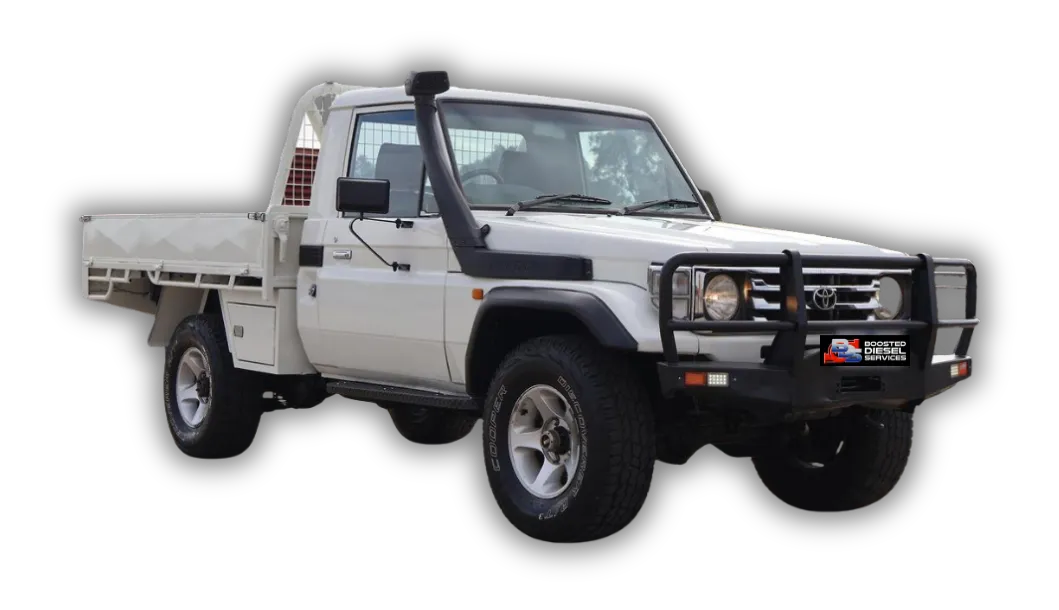
Get to Know Your
Toyota 70 Series Land Cruiser
The Toyota Land Cruiser 70 Series has earned a cult following in Australia for its bulletproof reliability, solid front axle and no-nonsense design built for the toughest conditions. The HZJ models run the naturally aspirated 1HZ, a simple, mechanically injected 4.2-litre six famous for its longevity and for being easy to fix out bush. From late 2001 the HDJ78 Troop Carrier and HDJ79 cab chassis added Toyota’s 24-valve 1HD-FTE turbo-diesel, which brought a big jump in torque for towing and highway work. You’ll also find plenty of HZ 70s converted to the 80 Series’ 1HD-T and 1HD-FT turbo engines. Whatever’s under your bonnet, the 70 Series is still the benchmark for toughness and holds its value like few other 4WDs.
Introduction & Launch (1990–2007)
The 70 Series landed in Australia in 1985, replacing the 40 Series. The HZ/HD story starts at the end of 1989, when the overhead-cam 1HZ 4.2-litre six replaced the old 2H pushrod diesel in the 75 Series. Toyota’s big 1999 update brought the 78 Series Troop Carrier and 79 Series cab chassis, with a coil-sprung front end derived from the 100 Series, longer rear leaf springs and bigger brakes. From late 2001 the 1HD-FTE turbo-diesel joined the range alongside the 1HZ. Both sixes were retired in 2007, when Euro IV emissions rules ushered in the V8 VDJ 70 Series (see our VDJ 70 Series page).
Model Variants
The HZJ/HDJ 70 Series was sold in Australia as:
HZJ75 (1990–1999): The original 1HZ workhorse in ute, cab-chassis and Troop Carrier body styles, with leaf springs front and rear and a reputation for running forever on basic servicing.
HZJ78 Troop Carrier / HZJ79 cab chassis (1999–2007): 1HZ power with the new coil-sprung front end, longer rear leaf springs, bigger four-piston front brakes and a longer single cab. Up-spec RV versions added a few extra comforts.
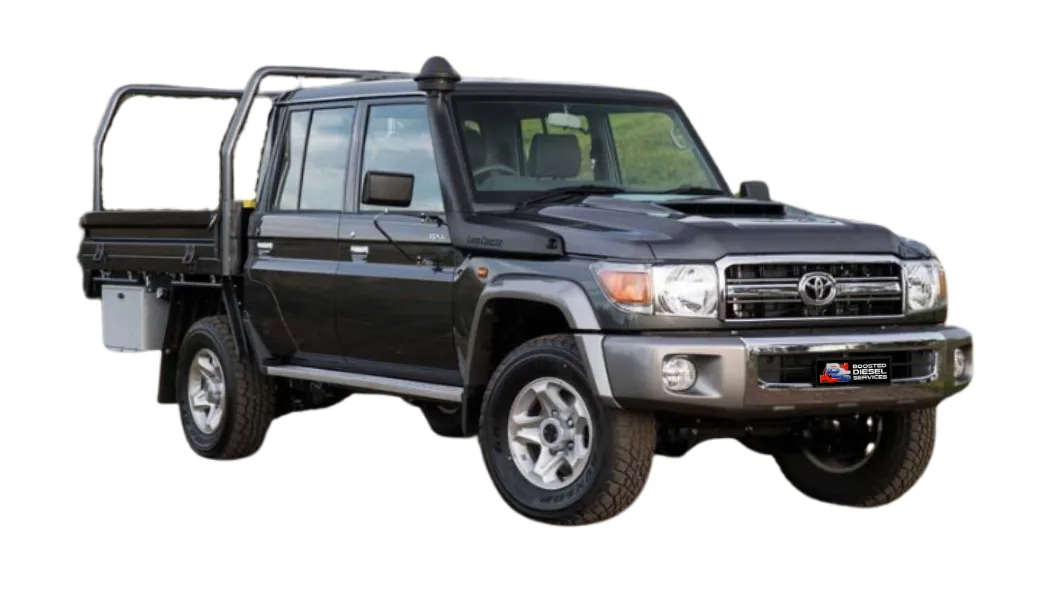
HDJ78 Troop Carrier / HDJ79 cab chassis (late 2001–2007): The factory turbo-diesel 70 with the 1HD-FTE, offered in standard and RV trim and later as the Muster. A snorkel became standard on all 78 Series from this update.
Updates & Performance Specifications
1990 Introduction: The 1HZ arrives in the HZJ75. It’s a naturally aspirated 4.2-litre (4164 cc) inline-six with a single overhead cam, 12 valves and indirect injection, making 271 Nm @ 2000 rpm. Slow, but close to unbreakable.
1999 Update: The 78 Series Troop Carrier and 79 Series cab chassis arrive with coil-sprung front suspension, longer rear leaves, bigger brakes and five-stud wheels. The 1HZ gains a high-altitude compensator and is rated at 96 kW @ 3800 rpm and 285 Nm @ 2200 rpm.
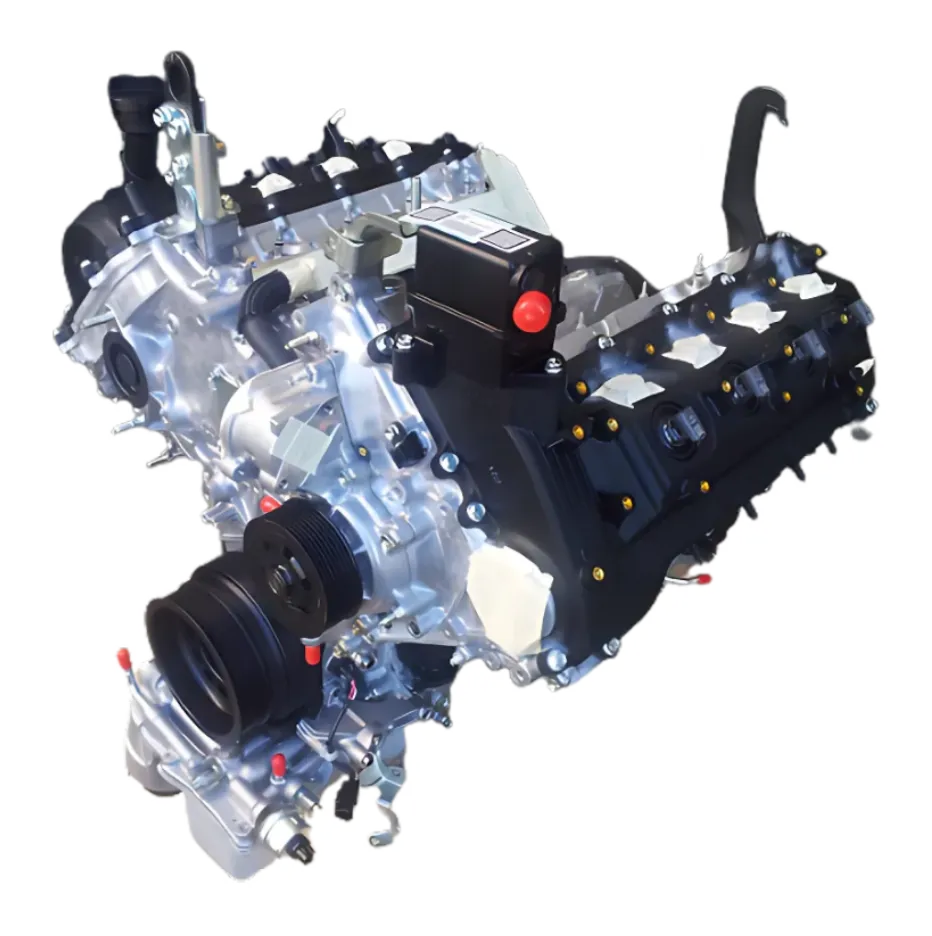
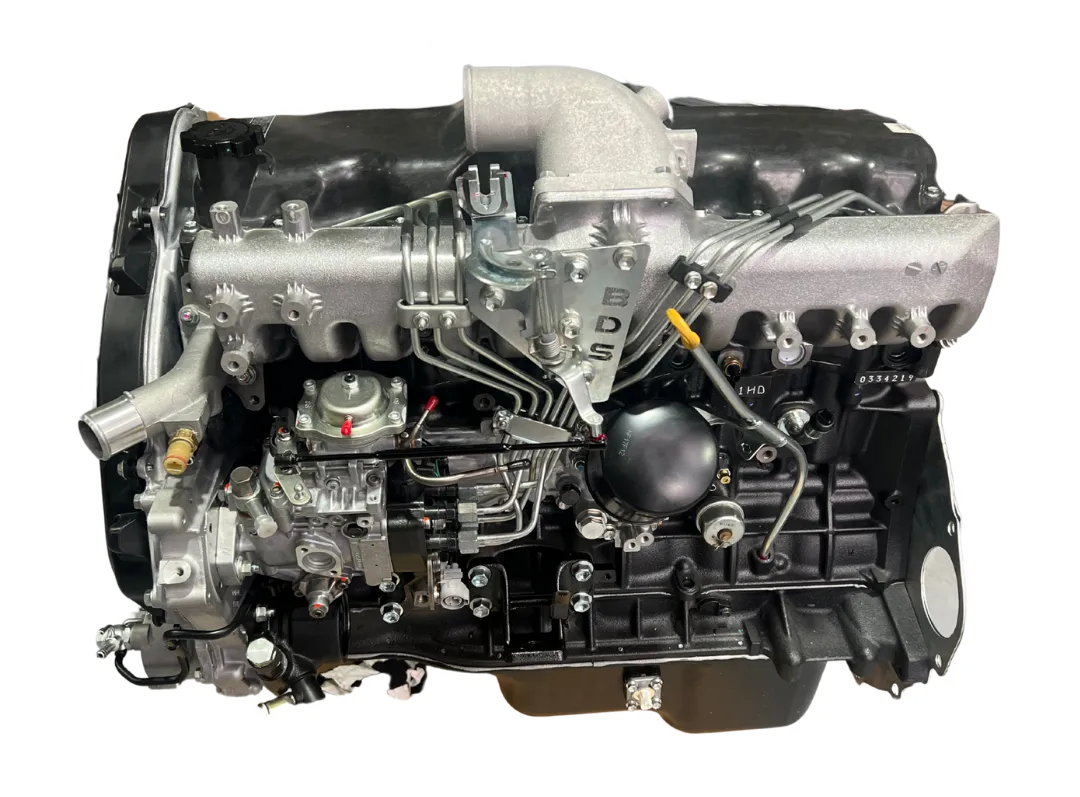
Late 2001 Turbo Introduction: The HDJ78 and HDJ79 bring the 1HD-FTE 24-valve direct-injection turbo-diesel, making 122 kW @ 3400 rpm and 380 Nm from 1400–2600 rpm. It’s a lower-compression version of the 100 Series engine without the intercooler, which is a big reason HDJ79s respond so well to an intercooler, injectors and a tune. Both six-cylinder diesels were retired in 2007, when Euro IV rules brought in the V8 VDJ 70 Series.
Towing: Up to 3500 kg braked (750 kg unbraked), depending on body and model. Always check your compliance plate.
Why Upgrade?: A stock 1HZ runs out of puff once you load it up, hook up a van or hit a long climb. If you want more grunt from an HZ 70, a 1HZ to 1HD-T or 1HD-FT conversion transforms the way it pulls. The HDJ79 is already turbocharged but was never intercooled from the factory, so an intercooler, injectors and an ECU tune unlock a heap of extra grunt. Whatever you drive, we’ll match the clutch to the power so it keeps going for the long haul. Let’s get your rig boosted.